Bournemouth
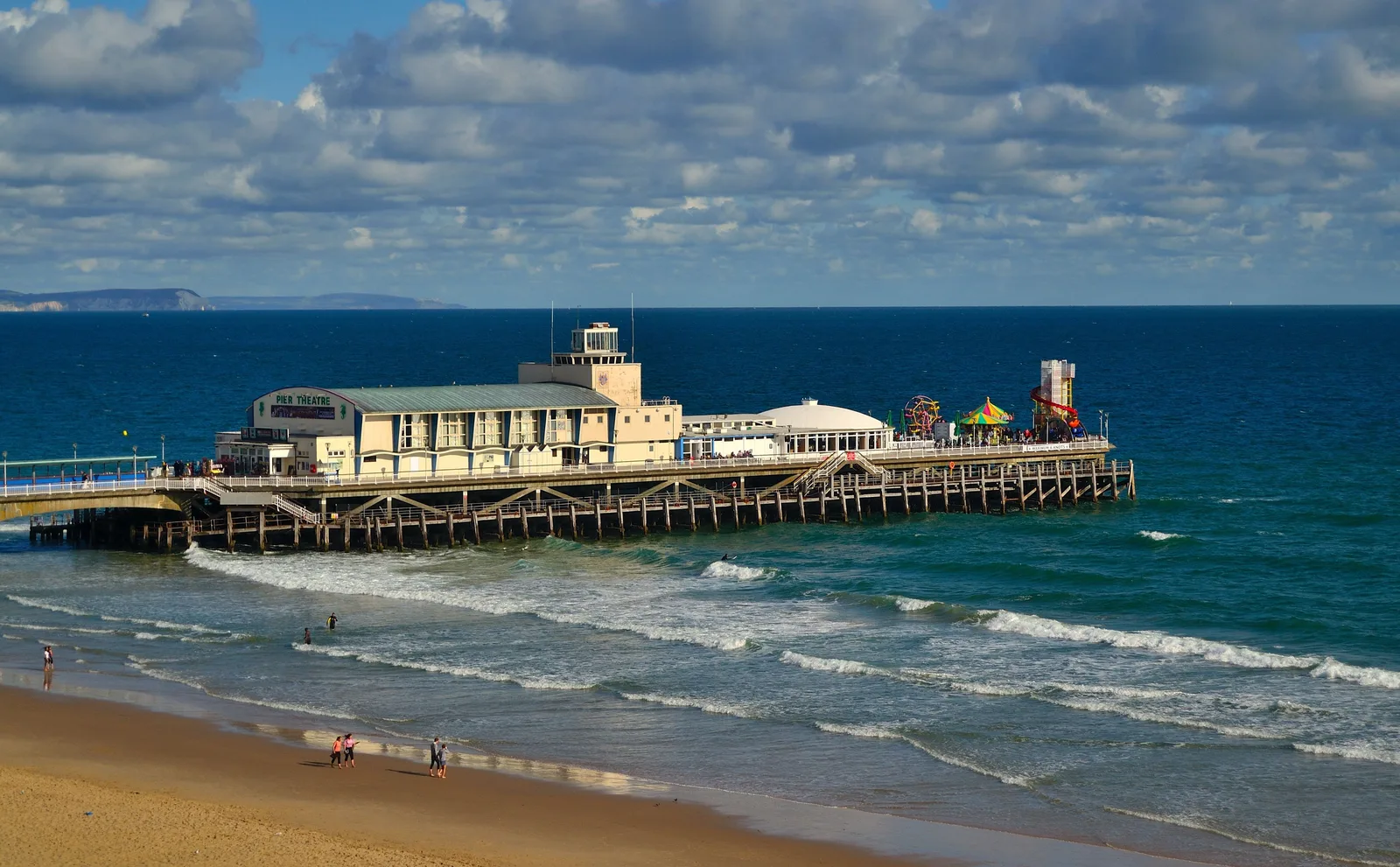
Seven miles of sand and gardens running down to the pier
Bournemouth is the largest town in Dorset, with 196,455 people in its built-up area at the 2021 census. It sits on Poole Bay, with Poole to the west and Christchurch to the east. Local rules come from Bournemouth, Christchurch and Poole (BCP) Council rather than Dorset Council, which matters for beach dog bans.
The beach runs for seven miles of sand, and the cliffs behind it are cut by chines that give a natural way down to the shore. Around Bournemouth Pier there is mini golf, amusements, toilets and showers, and RNLI lifeguards patrol in the warmer months. From 1 May to 30 September dogs are not allowed on Bournemouth beach itself, but some stretches stay open to dogs all year, including the middle Chine to Durley Chine. To the west the sand carries on towards Sandbanks.
Behind the pier, the Lower, Central and Upper Gardens follow the Bourne valley for nearly two miles to the Poole boundary, with a cafe, bandstand, tennis courts and children’s play area, and a cycle path along one side. The Russell-Cotes Art Gallery & Museum, a clifftop villa that Merton Russell-Cotes gave his wife Annie in 1901, holds Pre-Raphaelite and Japanese art. In winter, Bournemouth Christmas Market puts over 40 traders in The Square from 12 November to 31 December 2026, and Run Bournemouth takes a half marathon, 10K and 5K along the seafront on 9 and 10 October 2027.
Bournemouth station is on the South West Main Line between Weymouth and London Waterloo, and trains also call at Poole, Wareham and Dorchester South. At the eastern end of the coastline, Hengistbury Head is a local nature reserve with Bronze Age and Iron Age occupation.
Where to stay
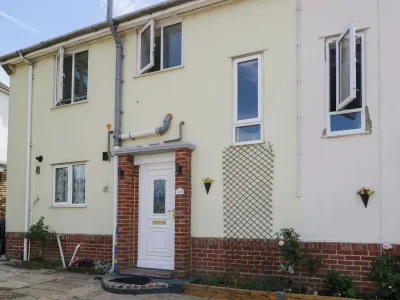
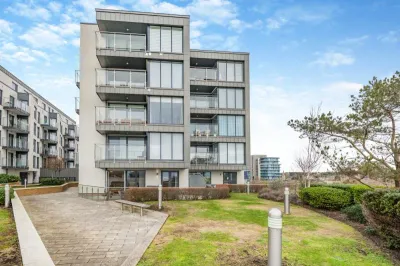
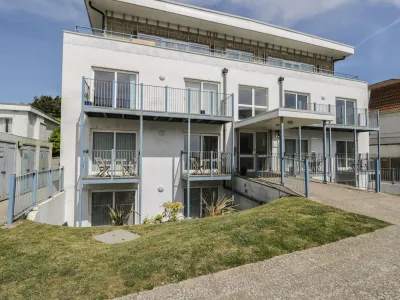
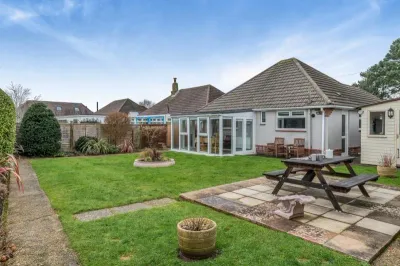
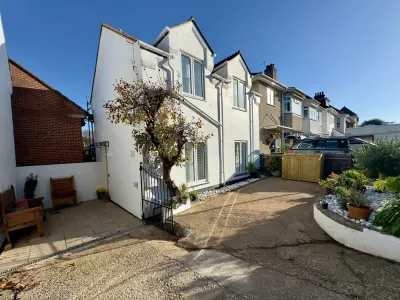
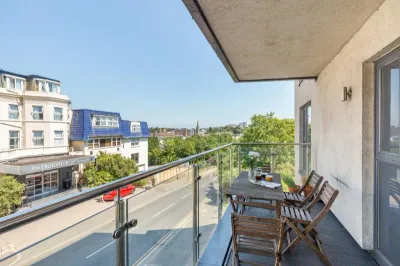
Places to Stay in Bournemouth
Compare the property layouts, facilities and booking details.
Live availability in Bournemouth
Sample dates: 30 October 2026 - 1 November 2026. Adjust below to see live prices for Bournemouth.
What's on
Upcoming Events in Bournemouth
Festivals, markets, and seasonal happenings.
Guides for Bournemouth
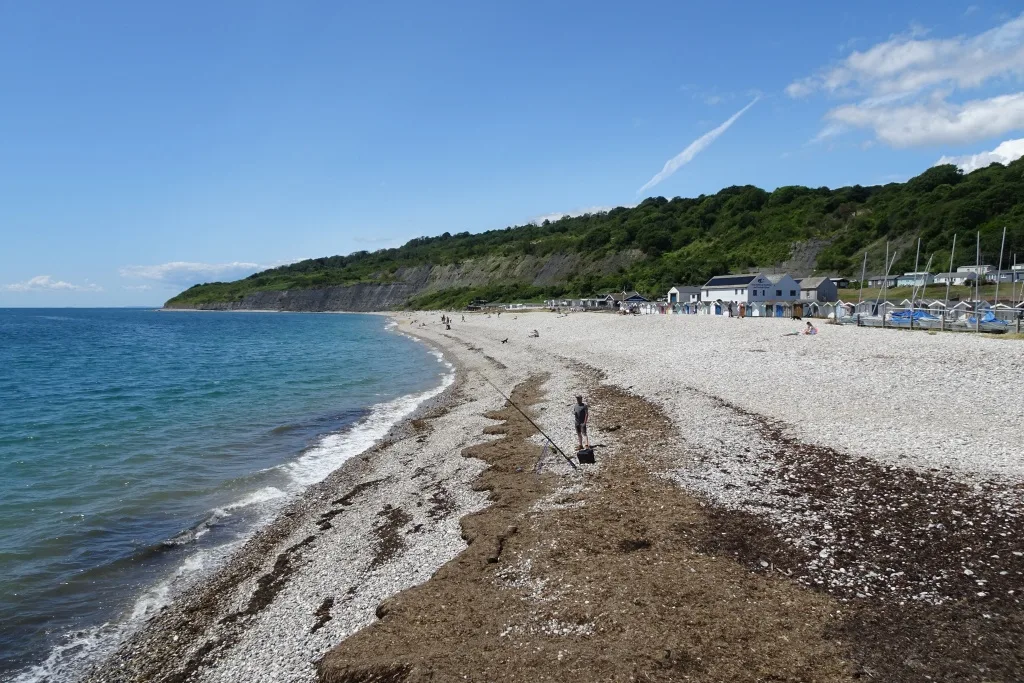
Dog-friendly cottages in Dorset
Where to stay in Dorset with a dog, how many dogs each cottage allows, and which beaches take dogs all year or only from October to April.
Where to stay in Dorset
Compare West Dorset's fossil coast, Weymouth and Portland, Purbeck and Poole Bay, and the inland towns, then pick the base that fits your holiday.